Guide / Destination weddings
Destination Wedding Photography: A Planning Guide
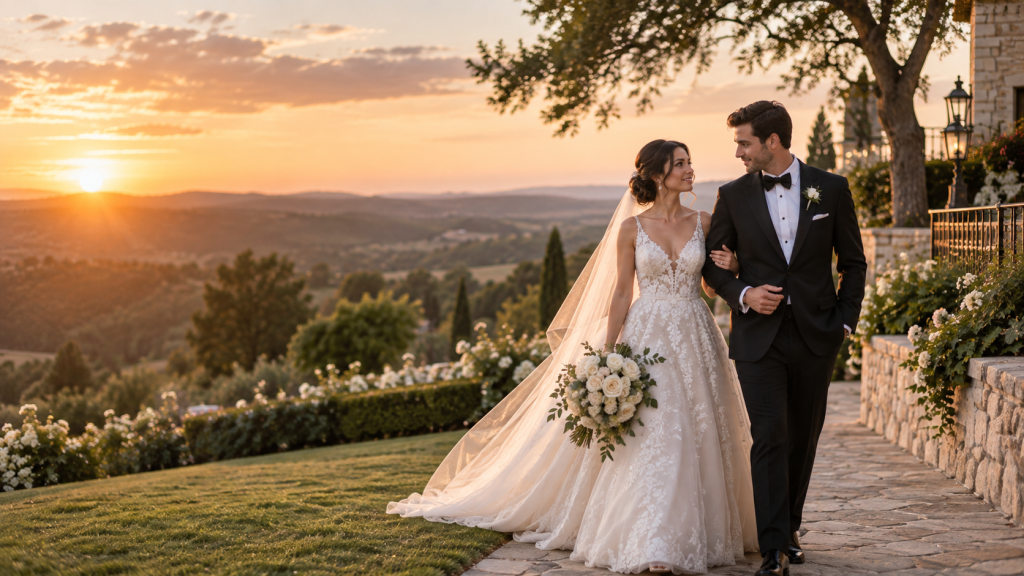
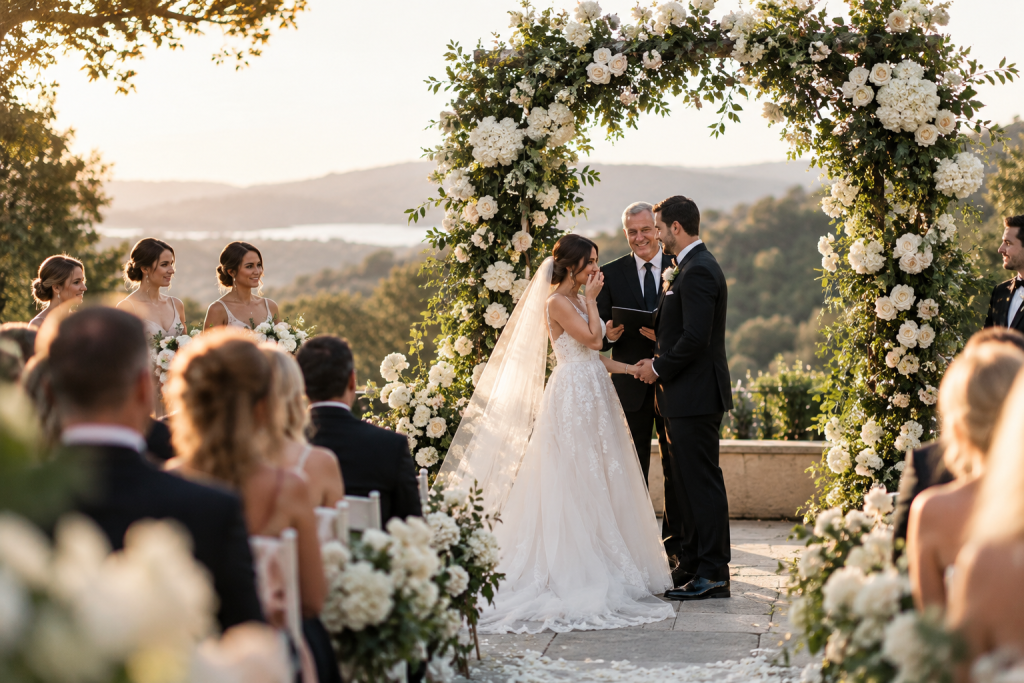
Planning a wedding away from home? Learn how a destination wedding photographer handles travel, permits, and backup plans.
What Makes Destination Wedding Photography Different
Photographing a wedding away from a photographer’s home base adds variables: unfamiliar light and terrain, travel logistics, local permit rules, and a compressed timeline. It is not harder to get right, but the questions you ask are different.
The two big decisions are whether to bring your own photographer or hire a destination wedding photographer who knows the location, and how to plan for travel, weather, and a short on-site schedule.
Bringing Your Photographer vs. Hiring Locally
Bringing your photographer makes sense when their style matters most. You know their work and how they handle pressure. The tradeoff is travel cost and shooting an unfamiliar venue.
Hiring locally means a photographer who already knows the venue, the light, and the local vendors and rules. The tradeoff is less certainty about working style, since you have less time to vet them.
Neither approach is better. Choose based on how much you value continuity versus local expertise.
Understanding Travel Fees and Logistics
Travel fees typically cover flights or mileage, at least one night of lodging, and sometimes meals. Ask for an itemized estimate and clarify who books travel.
Confirm arrival timing too. Experienced destination wedding photographers arrive at least a day early to avoid flight-delay risk.
Permits and Legal Considerations
Many public beaches, national parks, and historic sites require a commercial photography permit, even for a private wedding. Rules are set locally, so confirm with the venue or parks authority well in advance.
For international weddings, check whether your photographer needs work authorization, since tourist visas do not always cover paid work.
Popular Destination Types
Beach and coastal weddings bring strong sunlight and reflective water, which favor photographers experienced in bright midday light. Popular U.S. coastal settings include Florida, California, and Hawaii, so ask about tide and wind timing.
International destinations add customs, language, and sometimes different vendor norms. Confirm communication, payment currency, and work authorization.
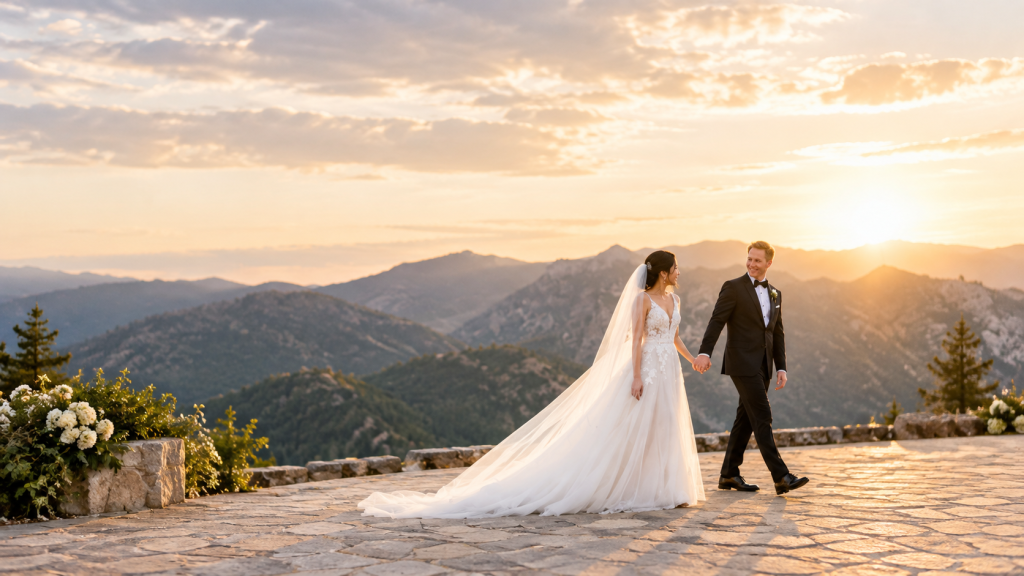
Mountain and national park settings often mean remote locations, limited cell service, and permits, as in Colorado, Utah, or Montana. Confirm your photographer is comfortable with the terrain and can scout it in advance.
Backup Plans for Weather and Travel Disruptions
Destination weddings involve more moving parts, from flights to outdoor ceremony sites. Ask your photographer what happens if a flight is delayed, and plan an arrival buffer of a day or more. Discuss a weather plan too, including covered or indoor backup locations for the ceremony and portraits.
Cost Implications of Destination Photography
A destination wedding adds cost whether you bring your photographer or hire locally. Bringing one adds travel and lodging to their fee; hiring locally avoids travel but can carry a premium in high-demand resort areas. See our pricing guide for the cost factors that apply everywhere, then add travel and local demand.