Guide / Photography styles
Wedding Photography Styles: A Complete Guide
From documentary to fine art, every wedding photography style feels different in your final gallery. Learn to recognize each one and choose yours.
Why Style Matters More Than You Might Think
Style shapes how much direction you receive, how much time goes to posed portraits versus candid moments, and how your gallery will feel years from now. Two excellent wedding photographers can deliver completely different experiences of the same day.
Most photographers blend two or three styles. Knowing the building blocks below makes it easier to describe what you want and to recognize it in a portfolio.
Photojournalistic / Documentary
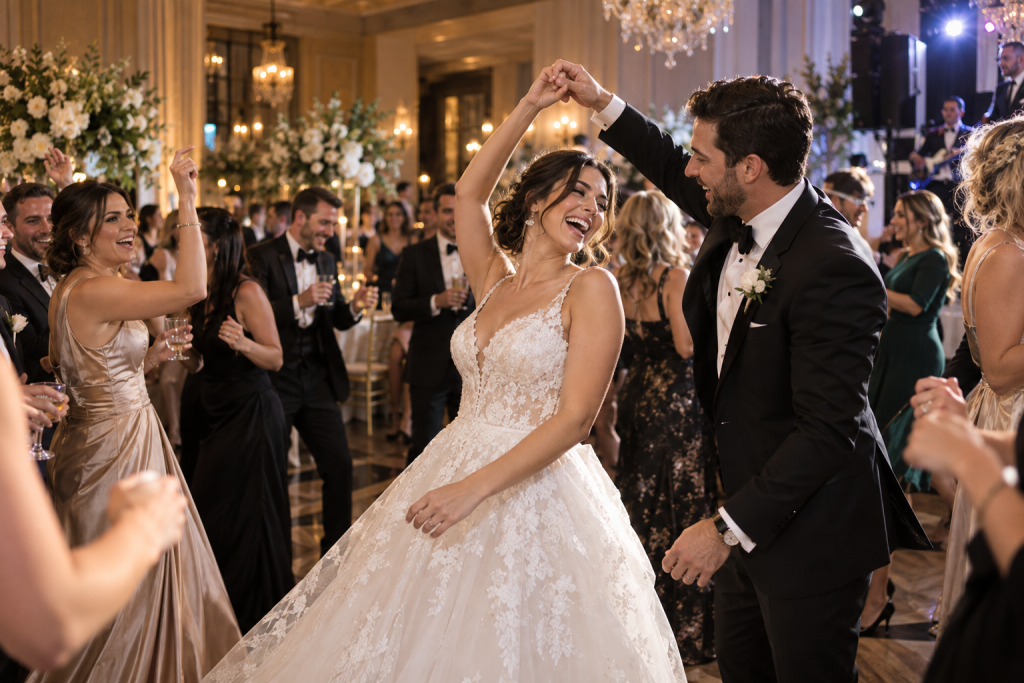
Photojournalistic coverage captures real, unposed moments as they happen. The photographer observes rather than directs, so expect minimal posing outside family formals and a gallery that reads like a story.
Best for couples who feel self-conscious on camera and want an honest record of the day. The tradeoff is less control over individual shots.
Traditional / Classic
Traditional wedding photography relies on posed portraits, organized group formals, and symmetrical composition. Even candid photographers usually use this approach for family photos.
Best for couples who want a complete, reliable record of who attended, and for large families and tight timelines.
Fine Art
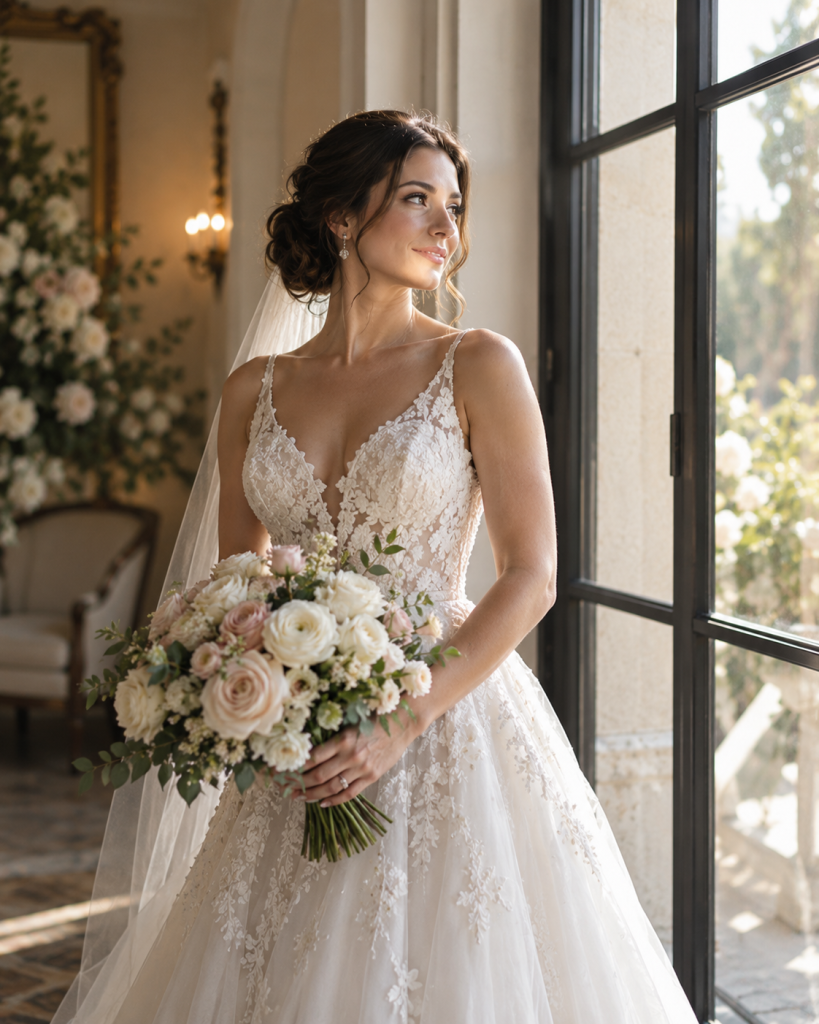
Fine art wedding photography treats each frame as a composed image, with careful attention to light, color, and composition. The pace is slower and more intentional.
Best for couples who value polished, editorial-quality galleries and are comfortable with a more directed portrait session.
Editorial
Editorial wedding photography borrows from fashion and magazine work: dramatic posing, strong lines, and portraits designed to look striking.
Best for couples who enjoy being directed into bolder poses. It pairs well with fine art or dark and moody editing.
Light and Airy
Light and airy photography uses bright, soft exposure and muted color for a romantic, optimistic feel.
It suits outdoor and garden weddings with soft daylight, and couples who want a dreamy gallery rather than a dramatic one.
Dark and Moody
Dark and moody photography embraces deeper shadows, rich color, and higher contrast for a cinematic atmosphere.
It suits indoor venues, evening receptions, and warm ambient light such as candlelight or exposed brick.
Film Photography
Film photography uses analog stock for a distinctive grain, tonal range, and color. Many photographers blend film for portraits and key moments with digital for the rest of the day.
The tradeoffs are slower turnaround and higher cost, which many couples happily accept for a timeless look.
Matching Style to Venue and Personality
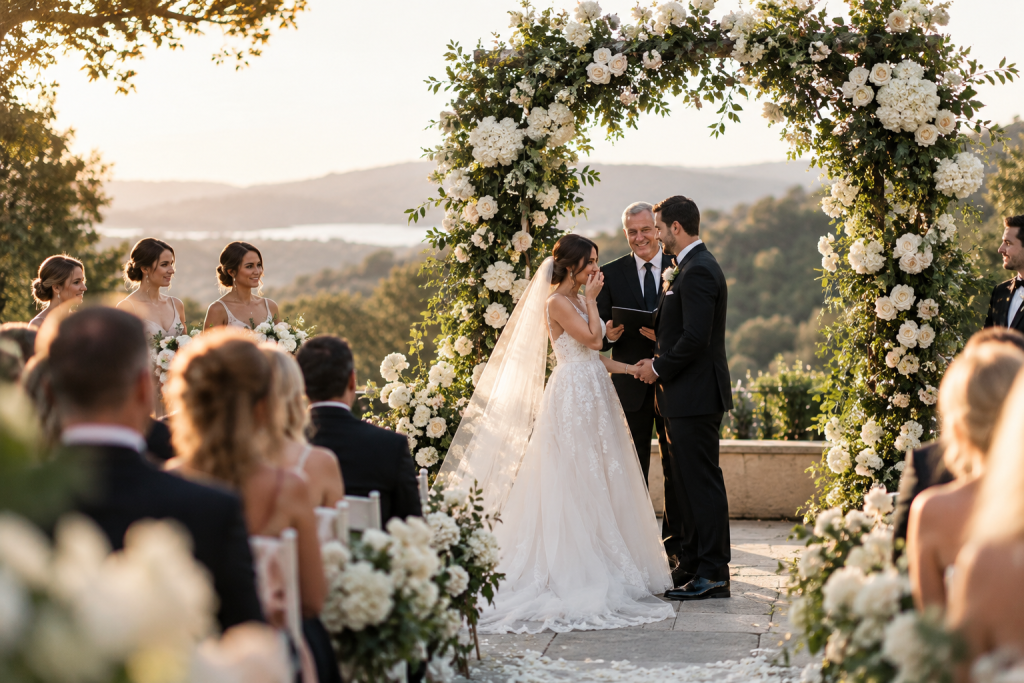
Your venue and personality narrow the field quickly. A dim, candlelit barn suits dark and moody or film; a sunny garden or beach suits light and airy; a grand ballroom often rewards traditional or fine art composition.
If you feel anxious on camera, a documentary photographer who minimizes posing may fit best. If you enjoy being photographed, editorial or fine art may be a better match.
Blended Styles Are the Norm
Very few wedding photographers fit a single label. Many describe their work as documentary with fine art portraits, or light and airy with editorial formals, and that mix is completely normal. When you contact a photographer, describe the feeling you want in plain language and ask how their approach delivers it. Their answer tells you more than any style label.